








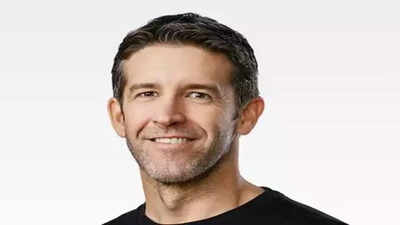
Apple has announced that John Ternus will succeed Tim Cook to become the new CEO on September 1, 2026. Cook, who has led Apple for 15 years, will now transition to the role of executive chairman for the board. Ternus, who is Apple’s senior vice president of hardware engineering, has been a central figure in shaping the company’s most iconic products and is now been tasked with steering Apple into its next era of innovation. The transition, which was approved unanimously by the Board of Directors, follows a thoughtful, long-term succession planning process. Cook will continue in his role as CEO through the summer as he works closely with Ternus on a smooth transition. As executive chairman, Cook will assist with certain aspects of the company, including engaging with policymakers around the world.
John Ternus’ early career and rise within Apple
John Ternus joined Apple in 2001 as part of the product design team and became a vice president of Hardware Engineering in 2013. He brought with him a strong background in mechanical engineering. He earned his Bachelor’s degree in Mechanical Engineering from the University of Pennsylvania and started his career at Virtual Research Systems, where he worked on advanced virtual reality technologies. Throughout his tenure at Apple, Ternus has overseen hardware engineering work on a variety of groundbreaking products across every category. He was instrumental in the introduction of multiple new product lines, including iPad and AirPods, as well as many generations of products across iPhone, Mac, and Apple Watch. Ternus’s work on Mac has helped the category become more powerful and more popular globally than at any time in its 40-year history. That includes the recent introduction of MacBook Neo, an all-new laptop that makes the Mac experience even more accessible to more people around the world.This past fall, his team’s efforts were on full display with the introduction of a redefined iPhone lineup, including the incredibly powerful iPhone 17 Pro and Pro Max, the radically thin and durable iPhone Air, and the iPhone 17, which has been an incredible upgrade for users.
What challenges await Apple’s next CEO
With John Ternus as the new CEO, Apple gets a hardware leader at a pivotal moment. While Apple has seen tremendous success with iPhones and products like AirPods, the company has struggled in areas such as mixed reality, generative AI, the smart home and autonomous vehicles, according to Bloomberg.Apple has been spending significantly less on AI investments compared to rivals Meta, Amazon, Alphabet, and Microsoft. The company’s AI-enabled Siri, originally slated for 2025, has been delayed until 2026 or later due to technical challenges. Apple has also lost several senior AI team members since January, many of whom have joined Meta’s AI and Superintelligence Labs during talent wars this year.Despite these concerns, Apple is expecting strong end-of-year sales, with year-on-year revenue growth of 10% to 12% for its holiday quarter ending in December, fueled by the iPhone 17 model release. The company’s shares are trading close to an all-time high following strong October earnings, though its roughly 12% stock price increase this year lags behind Big Tech rivals Alphabet, Nvidia and Microsoft.The reshuffle extends past the corner office. Johny Srouji, Apple’s silicon architect, has been promoted to chief hardware officer, absorbing Ternus’s old portfolio. Tom Marieb takes over day-to-day hardware engineering and reports to Srouji. Ternus joins Apple’s board on September 1. Arthur Levinson, the company’s non-executive chairman for the past 15 years, becomes lead independent director on the same day.