







It is one of the most loaded feelings a person can admit out loud: “I do not like my parents.” In many Indian homes, even saying it silently can trigger guilt so sharp it feels almost moral. Children are taught that parents must be respected, endured, forgiven, protected from criticism and held above ordinary human judgment. So when love curdles into resentment, many people do not ask whether something is wrong in the relationship. They ask whether something is wrong in them. The truth is more complicated. Disliking your parents does not automatically make you ungrateful, cruel or broken. Sometimes it is a sign that something in the family dynamic has been deeply painful for a long time. In Indian households especially, where obedience is often mistaken for love and sacrifice is romanticized as parenting, emotional harm can hide in plain sight. Scroll down to read more…
When love becomes control
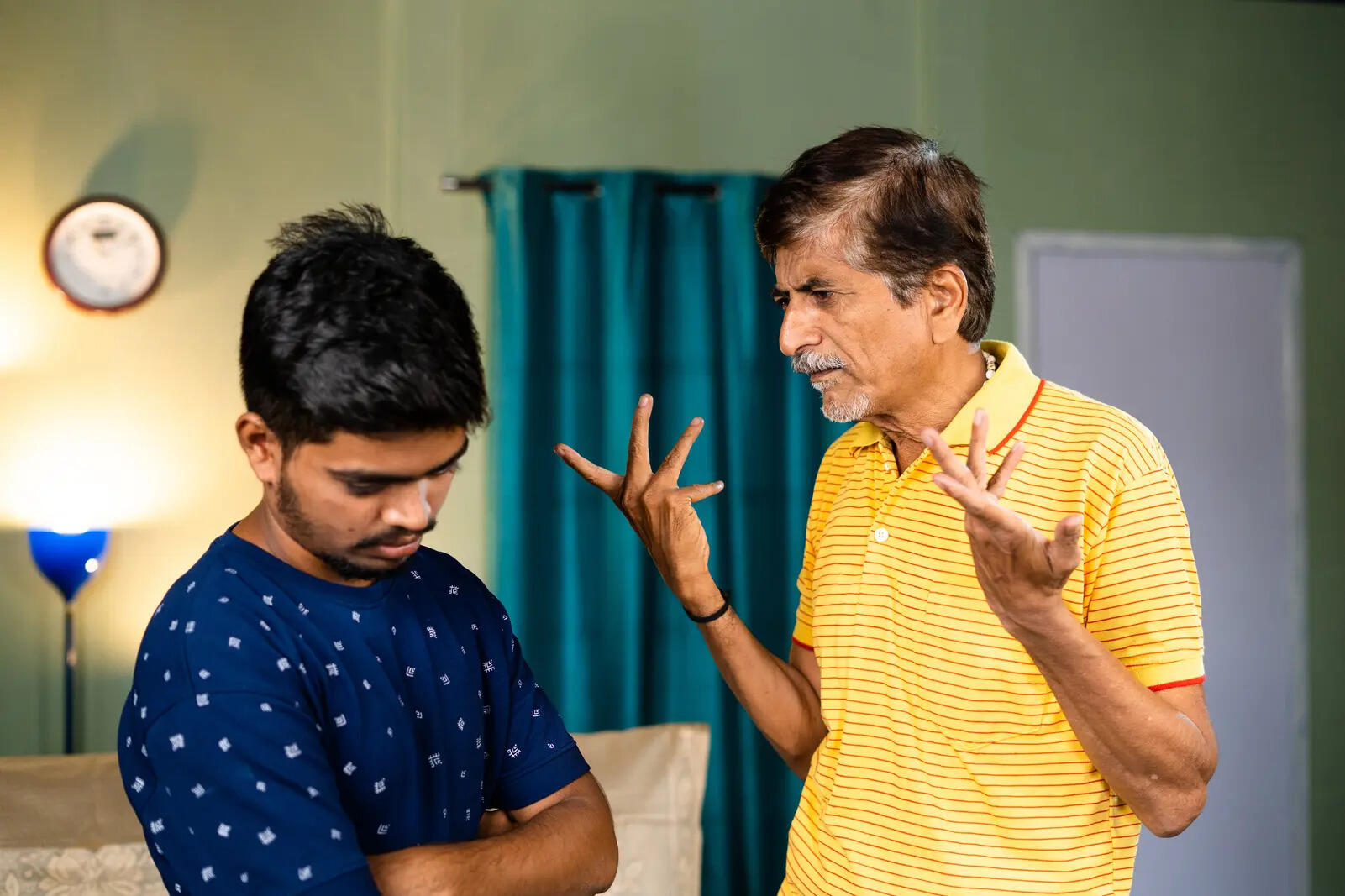
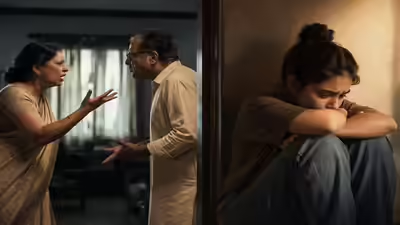
A parent can provide food, fees, clothes and stability and still create a home that feels emotionally unsafe. Toxic parenting does not always look like shouting or violence. Often, it arrives dressed as concern, duty or tradition. It can sound like: “We only want what is best for you.” It can look like: monitoring every choice, dismissing emotions, comparing siblings, humiliating a child in front of relatives, or using shame as a tool of discipline. Many Indian children grow up learning that privacy is suspicious, boundaries are disrespectful and disagreement is rebellion. In such homes, affection may exist, but it is often tangled with fear. And fear is not the same thing as love.
Why many people feel guilty for resenting their parents
Indian culture places a heavy emotional burden on children. Parents are often seen as sacred, especially mothers and fathers who have sacrificed for their families. That sacrifice is real. But sacrifice alone does not cancel harm.A child may think:“They worked so hard for me, so I should tolerate everything.”“Other families are worse, so I do not have the right to complain.”“Maybe I am too sensitive.”“I owe them my silence.”This guilt keeps many people trapped. It makes them doubt their own memories. It teaches them to confuse endurance with love. But a difficult childhood does not become less difficult because the adults were also struggling.
Signs that the relationship may be unhealthy
Not every conflict means toxic parenting. Families argue. Generations misunderstand each other. But some patterns leave a deeper wound.Here are a few signs the relationship may be causing emotional harm:
- You feel anxious before speaking to them because any conversation can turn into criticism.
- Your emotions are dismissed, mocked or compared to others.
- You are expected to obey without question, even as an adult.
- Love feels conditional, given only when you perform well, stay quiet or please them. You have been made responsible for their moods, marriage problems or disappointments.
- Boundaries are treated as disrespect.
- You leave interactions feeling smaller, not stronger. If this sounds familiar, the discomfort is not imaginary. The body often knows what the mind has been trained to excuse.
The Indian family problem no one wants to name
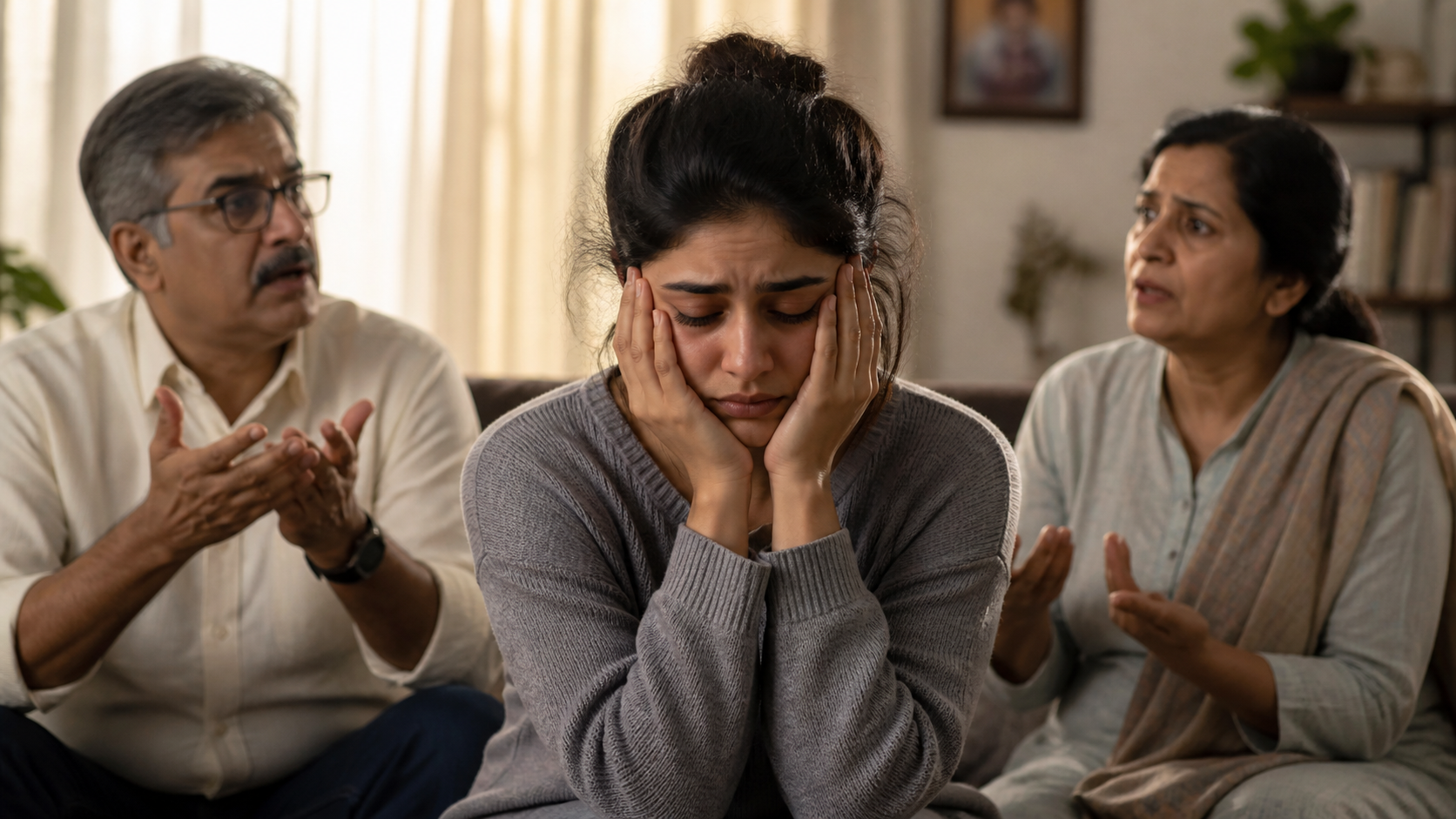
Indian parenting is often shaped by fear: fear of society, fear of failure, fear of judgment, fear of children “going astray.” That fear can make parents controlling, intrusive and emotionally unavailable. They may believe harshness builds character. They may think affection will spoil a child. They may see a son or daughter not as a person, but as a reflection of family honour. This is why toxic parenting in India is so hard to confront. It is often defended with phrases like “that is how parents are,” “they mean well” or “children these days are too soft.” But pain does not become harmless because it is traditional. A parent who shames, controls or emotionally neglects a child may still love that child in their own limited way. But love that repeatedly wounds is not safe love. And children need safety more than theory.
Is it wrong to dislike them?
No. Feelings are not crimes. Disliking a parent may mean you are grieving the relationship you never had. It may mean you are tired of being dismissed. It may mean you have finally stopped confusing loyalty with self-erasure. Sometimes dislike is not hatred at all, but the mind’s honest response to years of emotional neglect, pressure or humiliation. What matters is not whether you feel dislike. What matters is what you do with that feeling.
What healing can look like
Healing does not always mean dramatic confrontation. Sometimes it begins quietly, with clarity.
- Stop calling abuse “normal” just because it is common.
- Notice what happens in your body after family interactions.
- Name the behaviour instead of excusing it.
- Set small boundaries, even if they are not welcomed.
- Talk to someone safe who will not shame your experience.
- Separate gratitude from obligation.
You can acknowledge your parents’ sacrifices and still admit they hurt you. You can love parts of them and still protect yourself from the parts that damage you. You can be a good son or daughter without becoming a silent one. That is the uncomfortable truth many families never say aloud: children do not stop needing care when they become older. They only stop asking for it when they learn the home is not a place where pain is heard. And once that happens, dislike is often not the beginning of disrespect. It is the end of denial.