








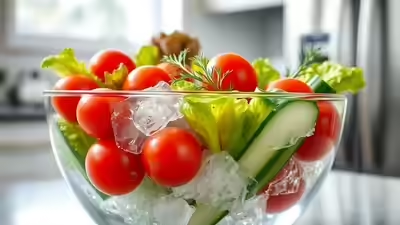
Imagine this scenario: after preparing all day for a glorious Sunday roast dinner, you take some carrots out of your fridge, which, instead of feeling like fresh vegetables, have the texture of rubber. This is the sort of kitchen traffic accident that normally leaves one with no other choice but to give up and dump the vegetables into the compost bin. However, before you give up on the limp greens and rubbery stalks, there is a straightforward “rescue operation” that professional chefs in restaurants use to turn back the hands of time.The process, referred to as cold shocking, can be likened to some form of botanical magic since it gives back to your vegetables the freshness of a recently harvested crop. Simply immersing the veggies in an icy pool of water is essentially a rapid rehydration process that allows you to meet the farm-fresh standard while staying economical and not having disappointing results at the same time.Why does it give your vegetables a crunch?To understand why immersing vegetables in ice water works so well, one must first understand the scientific reason behind the crunchiness in vegetables. This depends on the presence of something called turgor pressure. It is a measure of the amount of water within a vegetable, which applies pressure from within to create that feeling of crunch. When veggies remain in storage, they become dehydrated and consequently lack crunchiness.Interestingly, plants are incredibly resilient. In a fascinating study titled Recovery of turgor by wilted, excised cabbage leaves in the absence of water uptake, researchers discovered that plant cells have a unique ability to adjust their internal structures to regain firmness. When you introduce a wilted leaf to a cold water environment, you are providing the external hydration needed to jumpstart this recovery.Temperature is the key to success. One may think that normal water from the tap will work fine, but ice water beats it all. Ice water slows down the enzymes responsible for the natural degradation of vegetables, and this slight delay makes all the difference. Research on the Rehydration kinetics of freeze-dried carrots reveals that the speed and efficacy of a vegetable’s hydration process heavily depend on its initial condition and the water temperature. This freezing treatment makes cells absorb moisture more efficiently, returning that delicious crunch.
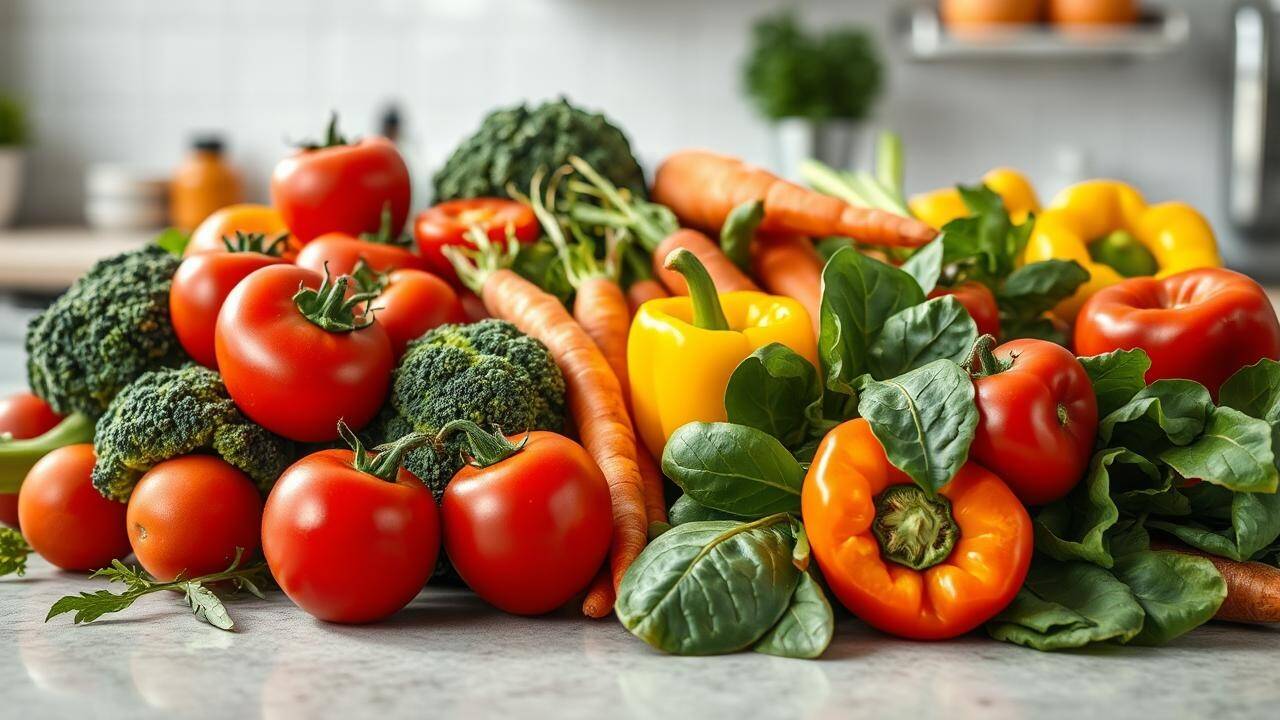
Leafy greens need about 15 minutes, while root vegetables require up to an hour. This economical method prevents food waste and ensures your meals are delightfully fresh and crunchy.
A vegetable’s second chanceBut not every vegetable responds to the cold plunge in the same manner. Greens such as spinach, arugula, and cilantro react immediately since they have a higher ratio of surface area to volume and thus rapidly absorb ice water. More robust vegetables, like carrots, celery, and radishes, require a few minutes in the spa.First, however, it will be necessary to take a pair of scissors and cut off the lowermost tip of the stems or the top of the roots. These slight cuts will make the vascular system of the plant open to allow easier movement of water upwards. Afterwards, put ice cubes and water into a deep container and submerge the vegetables. In case of leafy vegetables, a soak of approximately fifteen minutes should be enough for the change to occur. If it is a matter of root vegetables, soak them in water for at least thirty minutes, but not longer than an hour.For this, one may refer to the article titled Drought Stress Tolerance in Vegetables, which provides an insight into the way in which the structure of the plants contributes to the process of their water content reduction and increase.After you’ve restored the life of your vegetables, be sure to thoroughly dry them. Salad spinners work wonderfully, or simply use a towel to dry off any excess moisture. Even a little too much surface moisture on your vegetables will turn your salad into a wet mess and cause the veggies to steam when put into the pan. Not only will this prevent food wastage, but it will also allow your meals to remain that fresh and crispy meal you were hoping for.