
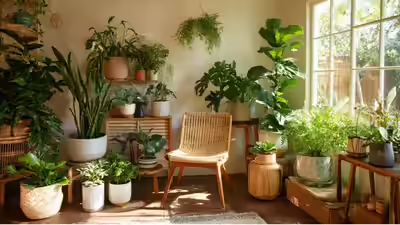
This is an all too familiar story among gardeners of indoor plants. You purchase a beautiful Monstera plant, choose the ideal sunny location for it, and follow every guideline regarding water intake. After several months, the leaves yellow, the growth ceases, and your plant becomes lifeless, looking as though it is nothing but an imitation of what it used to be. We wonder what we did wrong, overwatered, or insufficient humidity, but the answer lies in front of our eyes. It is simply a lack of light.It is natural for us to think about the brightness of our surroundings in terms of how much light we see. If we can read a book in a room comfortably, we assume there is sufficient light for growing plants. Plants, however, have very different requirements than those of humans. The same environment that appears to be well-lit and sunlit to us may appear like a dark underground dungeon to our fiddle leaf figs.Luxing us in and outHuman perception of light when it comes to plants is the primary blunder people tend to make in their indoor gardens. We are very flexible and adaptive with regard to lux. We can make sense of anything, even in extremely low lighting conditions. Plants, however, need a certain amount of light called the photosynthetically active radiation (PAR).An interesting study, titled Growth light provision for indoor vegetation: A case study, demonstrates that typical lighting performance measures frequently fall short. The scientists found that several indoor spaces fail to achieve the “light compensation point,” which is the lowest amount of light required for the plant to merely break even in terms of energy usage. The study demonstrates that popular houseplants, such as Philodendron, actually need more than enough daily light intensity compared to an ordinary living room. Without achieving this level of illumination, the plant consumes itself to merely survive.

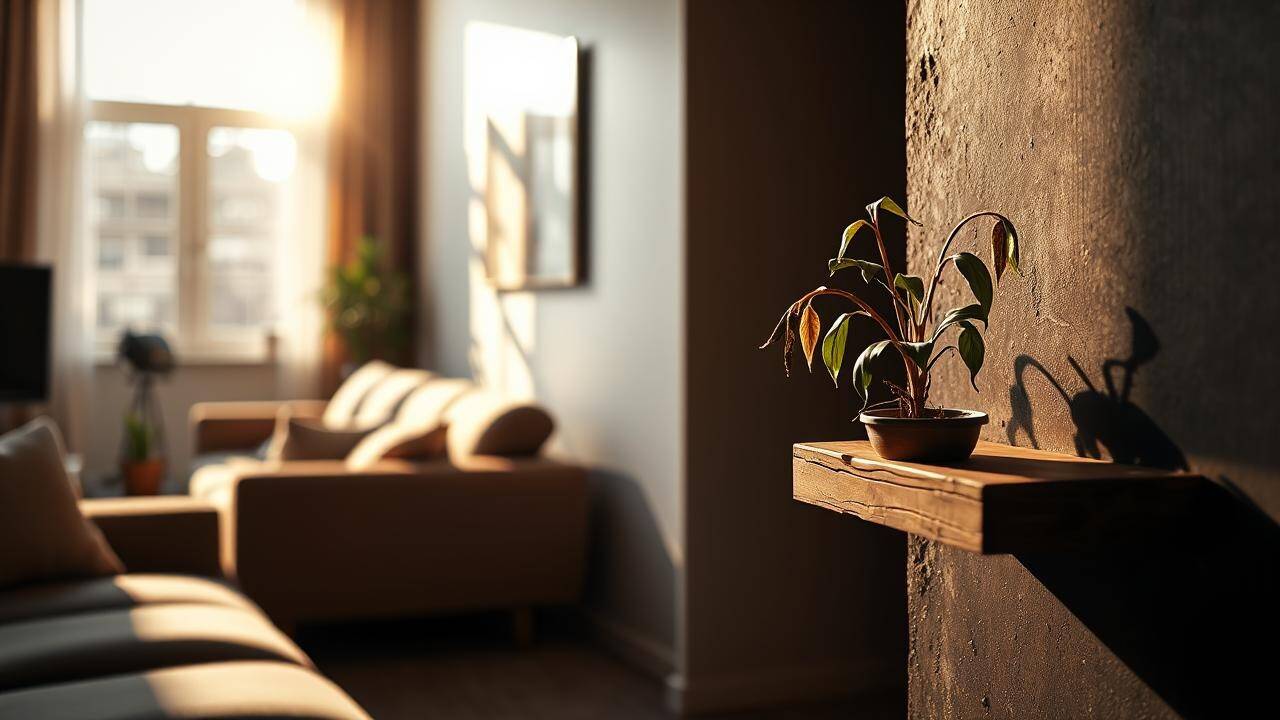
Even near windows, slight distances drastically reduce photosynthesis. Adequate light is crucial for plants to purify air, making them vital for a healthy home environment.
Putting a plant near a window isn’t sufficient either. According to the study, moving a plant just a bit farther from the source of light will cause its photosynthesis energy levels to drop dramatically. While such a slight change seems negligible to us, for the plant, it means a sharp reduction in fuel levels.Light as the fuel source for clean airWhile purchasing plants indoors in the hope that they purify the air inside, we must consider light as an essential factor. It’s through photosynthesis that plants absorb carbon dioxide and other toxins from the air. However, without adequate light, this process ceases.An interesting case in point was published by Cleaner Engineering and Technology on the correlation between the two. It examined popular household plants, like Peace Lily and Dracaena, and demonstrated that their efficiency in carbon dioxide removal increases nearly fourfold when there is more light. With illumination levels ranging from 1000 to 2000 lux, these plants become efficient air purifiers. Without adequate light, however, they are practically worthless in removing carbon dioxide.This creates a bit of a paradox: we put plants in dark corners to liven them up, but the darkness prevents the plants from doing the very job we bought them for. To get the most out of your greenery, you need to treat light as a nutrient, just like water or fertiliser. Using specialised LED grow lights that target the PAR spectrum can help bridge the gap during winter months or in rooms with small windows.The health of your indoor plants depends on a shift in perspective. Rather than pondering over whether a room appears sufficiently bright from the human viewpoint, consider the amount of energy that the plant receives for its function. Provide the right lighting for each type of plant and refrain from using your vision alone. The result will be thriving indoor plants.