
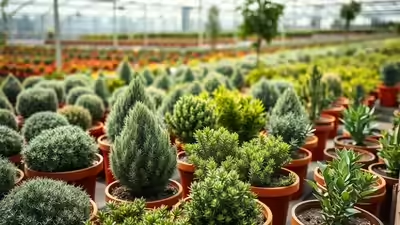

It’s a particular kind of optimism that sets in when you’re at a plant nursery. You see neat rows of lush green shrubs packed into black plastic pots and envision them creating a beautiful border around your front porch or growing tidily below one of your windows. You purchase five or six plants, dig your holes, and for the next few months, your home feels rejuvenated. Yet, as time passes, come year three, everything changes. These once-neat embellishments become an overwhelming mass of greenery that blocks sunlight from coming through your windows and turns your front walk into a canyon.The problem is rarely the health of the plants. In fact, the shrubs are often doing exactly what they were born to do: grow. The real mistake is a design error that happens at the moment of purchase. Most homeowners choose shrubs based on how they look in the nursery pot today, rather than the mature shape and size they will bring to the house tomorrow. It is a common lifestyle trap that leads to a cycle of aggressive shearing and “hacking back” that eventually leaves the plants looking woody and stressed.According to research on the Principles of Garden Design, proper landscaping requires knowledge of the “scale” of your house. Shrubs that grow too large distort the “balance” of your entire yard. Your home, which should be welcoming, is now overgrown and in disrepair. This problem can be solved only by forgetting about what occupies the space now and concentrating on the “anchors” of your future architectural design for ten years from now.Planning for the futureTo have a properly maintained garden without constantly fighting against your shrubs each week, you must think “ten years ahead” when buying your plants. In most cases, standard landscaping used by contractors fails due to the use of fast-growing plants. Although these plants occupy the empty spaces faster, they do not know how to stop growing. Instead, they continue growing until they overshadow the actual architectural design.A key guide from Penn State Extension emphasises that the mature height and spread of a plant are far more important than its bloom colour or current price tag. If a shrub is rated to reach six feet in width, it needs to be planted at least three feet away from the foundation of the house. This creates a “maintenance alley” that allows for airflow, prevents rot on your siding, and gives the plant room to reach its natural, graceful shape without being shoved against a brick wall.

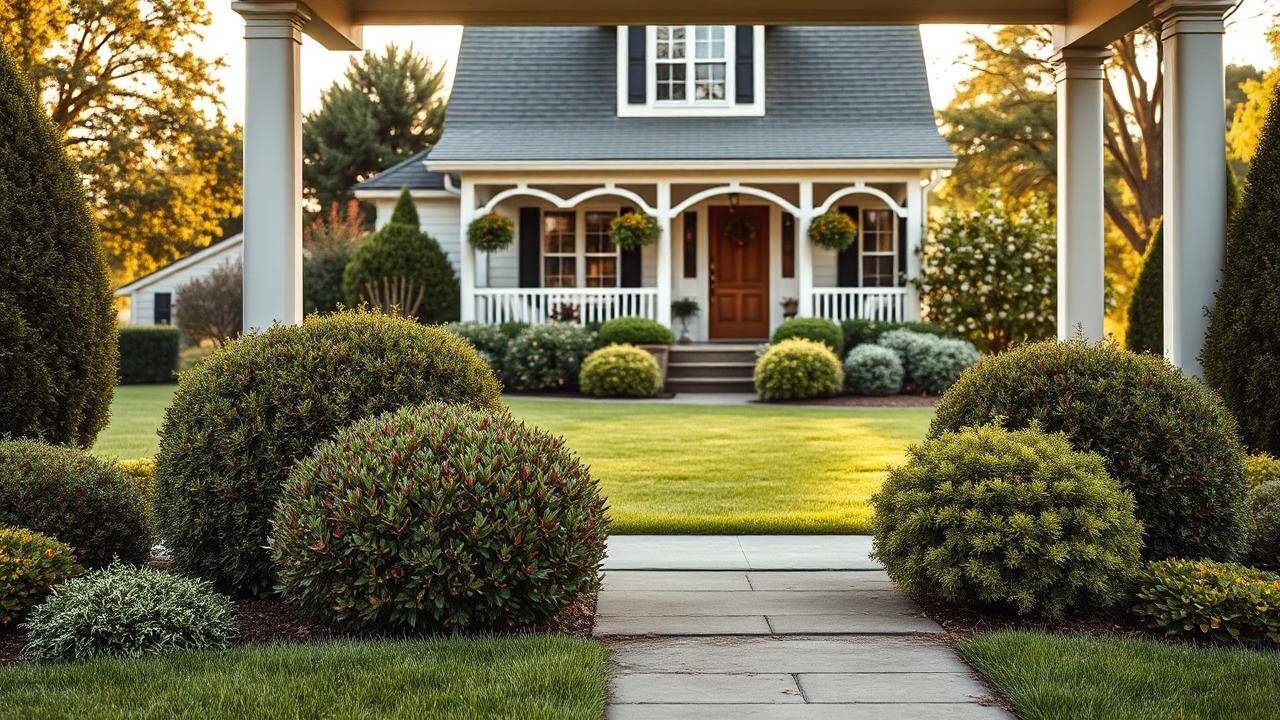
Proper landscaping requires considering mature plant size and house scale, planning ten years ahead to avoid aggressive pruning. Selecting dwarf or compact varieties and understanding soil conditions are crucial for a well-maintained, attractive garden.
This leads to a box-like appearance, but many gardeners try to solve this problem through excessive shearing and shaping of every shrub. It may work well in the first few months or even years, but it will destroy your curb appeal in no time. Excessive pruning results in the creation of a shell of healthy leaves above a dead centre, where nothing but woody branches grow. Instead, choose varieties of “dwarf” and “compact” plants whose genetics dictate their growth habits.Creating a new foundation bed: From scratchA new foundation bed is a chance to build something completely anew – with everything you’ve learned during gardening years. However, refreshing an overcrowded garden does not necessarily imply the need to create it all from scratch. On the contrary, sometimes all it needs is some editing of what has been planted previously. Begin by viewing your house from the street as a stranger would and identifying which plantings play the role of noise and which serve as anchors.To create a professional, layered look, you should use a variety of shrub sizes rather than one repeated type. Use taller, evergreen anchors at the corners of the house to “soften” the vertical lines, and move toward lower, more mounded shapes under windows. This creates a visual “step-down” effect that leads the eye toward the front door, which should always be the star of the show.Finally, remember the earth underneath. As stated in the research above, soil quality must be the basis of all beauty. You should test your drainage and soil before planting those plants you have selected, which fit in perfectly with the size of your home. If the plant is well-suited in terms of size yet fails to thrive in poor soil conditions, it will fail to deliver the curb appeal that you desire.