
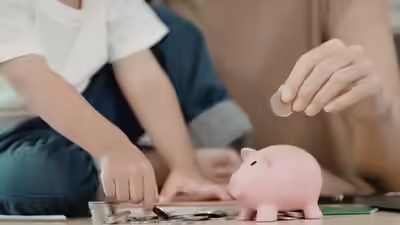
Money is one of the first real lessons children encounter, even before they understand the word “budget.” They see parents counting cash at a store, debating purchases at home, or delaying a treat for later. Long before children earn their own income, they begin absorbing ideas about spending, saving, sharing and value. That is why money education cannot be treated like an adult-only concern. It begins in childhood, quietly, through the choices families make every day.The earlier children learn healthy money habits, the more naturally those habits begin to shape the way they think. They stop seeing money as something mysterious, magical or endlessly available. Instead, they begin to understand that money is limited, earned, and connected to decisions. That understanding matters because financial habits are not built overnight. They are formed slowly, through repetition, observation and experience.
Why early money lessons matter
Children do not need to master compound interest at age seven. What they do need is a basic sense of how money works in real life. A child who learns early that every purchase has a cost is more likely to grow into an adult who thinks before spending. A child who learns that saving takes patience is more likely to develop discipline later. These are not small lessons. They are the foundation of financial confidence.Early money habits also help children avoid two common extremes: careless spending and fearful hoarding. Some children grow up believing money should be spent the moment it appears. Others learn to treat money with anxiety, as though it is too precious to touch. A balanced approach teaches them that money has purpose. It can be used, saved, shared and planned for.That balance is especially important in a world where children are exposed to advertising, peer pressure and instant gratification at a very young age. They are constantly told to want more, buy faster and compare themselves with others. Teaching them financial habits early gives them a stronger inner compass.
The value of saving before spending
One of the simplest but most powerful habits a child can learn is to save first. Even a small amount set aside regularly teaches delayed gratification, a skill that reaches far beyond money. A child who saves for a toy, a book or a game learns that waiting can be rewarding. They also learn that goals are easier to reach when broken into steps.Saving should not feel like punishment. It should feel like progress. A jar, envelope or simple bank account can make the process visible and satisfying. When children watch their money grow, they begin to understand that consistency has power. That lesson will serve them long after childhood ends.Parents often make the mistake of giving too much too soon, or stepping in every time a child wants something. But small disappointments are useful. Not every wish needs to be met immediately. When a child has to wait, compare options or choose between two things, they begin to practice judgment. That is how financial maturity begins.
Teaching needs versus wants
Children are naturally drawn to wants. Bright packaging, trending toys, snacks near the checkout counter, all of it is designed to tempt them. That makes the difference between needs and wants one of the most important money lessons of all.Needs are the things that support daily life. Wants are the extras, the comforts, the fun purchases. Both have a place, but they are not the same. Children who understand this distinction are better prepared to make thoughtful choices later. They are less likely to confuse desire with necessity, which is one of the most common traps in adult spending.This lesson works best when it is taught in real situations. At a store, a parent might explain why one item is useful while another is simply appealing. At home, they might talk through why the family chooses to spend on certain things and hold back on others. The goal is not to make children feel deprived. The goal is to help them see that money decisions are always choices.
The habit of waiting and planning
Instant access has changed the way many people think about money. Children today can see something online and expect it to arrive almost immediately. That makes planning even more important. A child who learns how to wait for something they want is already developing the kind of self-control that money management requires.Planning can begin in small ways. A child might decide to save their pocket money for a particular purchase. They might keep track of how much they need and how long it will take. That simple process introduces them to goals, timelines and trade-offs. It also teaches them that money does not disappear into an invisible system. It follows a pattern, and patterns can be managed.

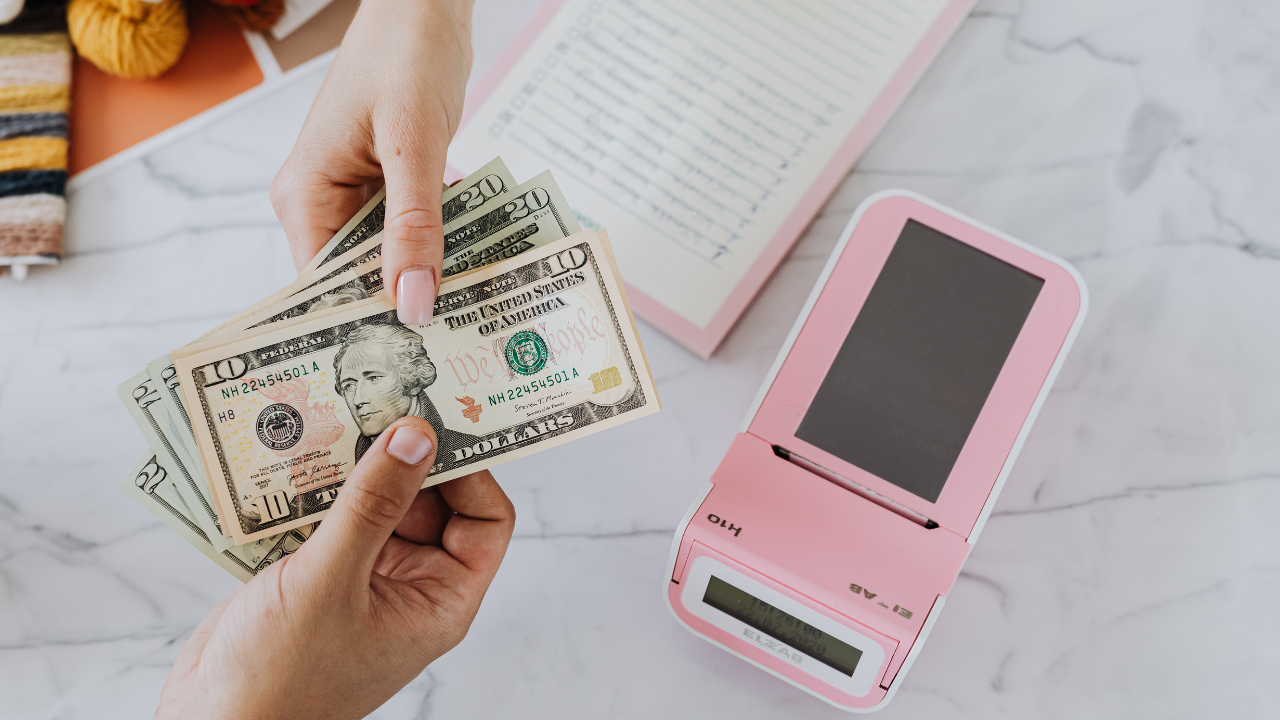
When children are included in age-appropriate family discussions about budgeting, they gain another advantage. They begin to see that adults also make trade-offs. A family may choose a vacation over a new gadget, or repairs over a restaurant meal. These conversations humanize money. They show that financial decisions are not about perfection. They are about priorities.
Giving and generosity also belong in money education
Good money habits are not only about keeping. They are also about giving. Children who learn to share money, gifts or resources develop empathy along with responsibility. They begin to understand that money can support not just personal wants, but also kindness and community.This does not mean children should be pressured to give away all they have. It means they should grow up with the idea that money has social value too. A small donation, a thoughtful gift or a saved amount for someone in need can teach a child that money is not only for accumulation. It is also a tool for care.
The long shadow of childhood habits
Children do not become financially wise by accident. They become financially wise because someone took the time to teach them, patiently and repeatedly, how to think about money. These lessons may seem small in the moment, but they shape habits that last for decades.A child who learns to save, wait, compare, question and share is not just learning about money. They are learning discipline, independence and judgment. In many ways, that is the real gift. Not a full wallet, but a clear mind.The best money education is never cold or complicated. It is practical, calm and consistent. It happens in conversations at home, in small allowances, in grocery aisles and in everyday decisions. And the earlier it begins, the more natural it becomes.