








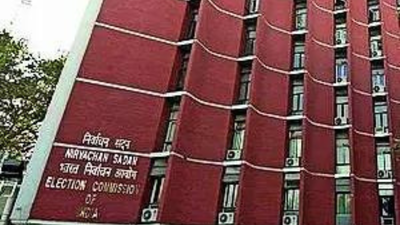
NEW DELHI: Polling in Assam, Kerala and Puducherry is over, and less than three weeks remain before campaigning ends in Tamil Nadu and West Bengal, yet the Election Commission of India has not issued a single notice for violation of the model code of conduct (MCC) so far. Trends since the 2025 Bihar polls show a shift, with FIRs now being filed for serious offences that earlier attracted graded MCC actions like warnings, censure or temporary campaign bans. This time, no MCC notices were issued over “communal” remarks by Mallikarjun Kharge at a rally in Assam, on April 7, despite BJP’s request, or over the “multiple passports” allegation made by Congress spokesperson Pawan Khera against the Assam CM’s wife on April 5. FIRs were registered in both cases. Officials said the shift away from MCC notices is a conscious decision under CEC Gyanesh Kumar. With shorter, fewer-phase polls, the time-consuming process of issuing notices, seeking replies and adjudicating may not fit into tight campaign windows. Also, MCC lacks legal sanctity, being a voluntary code among parties. Since most MCC violations – communal appeals, personal attacks, abusive language, corrupt practices and voter intimidation – are covered under criminal laws and the Representation of the People Act, officials said serious cases can be addressed through due legal process, allowing the EC to focus on election conduct. “When an offence is clearly made out, it makes more sense to ask local authorities to register an FIR rather than go through the process of issuing a notice,” an official said, noting that warnings or censure often fail as deterrents and repeat violations are common. Officials added that MCC notices are sometimes used by politicians to play the “victim card”. Ignoring minor violations while pursuing FIRs in serious cases is therefore a conscious strategy. They said MCC notices against opposition leaders often trigger allegations of bias. While ruling politicians tend to be more measured, opposition leaders are more combative. FIRs, being part of due legal process, leave less scope for such charges. The model code was first introduced in Kerala during the 1960 assembly polls and refined nationally during T N Seshan’s tenure in 1991, with stricter enforcement since the general election that year.