

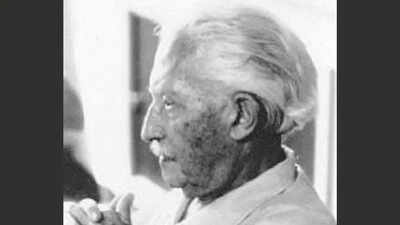
Erik Erikson (Image: Wikipedia)
Hope is one of those things people rarely notice when life feels stable. It quietly sits in the background while plans move normally, relationships feel secure, and the future appears manageable. Most people do not wake up every morning consciously thinking about hope. They simply assume tomorrow will arrive and life will continue somehow.That changes when difficult periods begin.A person loses trust in somebody they deeply cared about. A career suddenly collapses after years of effort. Health problems appear unexpectedly. Financial pressure grows heavier. Sometimes the world itself starts feeling emotionally exhausting after months of bad news, uncertainty, and nonstop anxiety.That is probably why this quote from Erik Erikson still feels surprisingly powerful decades later:“Hope is both the earliest and the most indispensable virtue inherent in the state of being alive. If life is to be sustained hope must remain, even where confidence is wounded, trust impaired.”The line does not sound polished in the modern motivational sense. It feels heavier than that. More realistic, too. Erikson does not describe hope as cheerful positivity or blind optimism. In fact, he openly acknowledges emotional damage inside the quote itself. Confidence may become wounded. Trust may break completely. Life may stop feeling emotionally safe for a while.And still, according to Erikson, hope remains necessary.That idea probably resonates with many people right now because modern life often feels emotionally overwhelming in ways previous generations may not have experienced quite so intensely. People carry stress constantly now. News cycles never stop. Social media pushes comparison, outrage, and anxiety into everyday life almost endlessly. Many individuals continue functioning normally on the outside while privately feeling emotionally exhausted underneath.Erikson’s quote seems to speak directly to that condition.
Quote of the day by Erik Erikson
“Hope is both the earliest and the most indispensable virtue inherent in the state of being alive. If life is to be sustained hope must remain, even where confidence is wounded, trust impaired.”
Who was Erik Erikson
Erik Erikson was one of the most influential psychologists of the twentieth century. Born in Germany in 1902, he later moved to the United States and became widely known for his work on human development, identity, emotional growth, and psychological stages across life.Many psychology students still study Erikson’s theories today, especially his ideas about identity formation and emotional development from childhood into adulthood. His work shaped conversations around parenting, adolescence, relationships, and mental health for decades.What made Erikson particularly interesting was the way he approached emotional life. He did not treat psychological development as something that ends in childhood. Instead, he believed people continue struggling with identity, trust, purpose, and emotional resilience throughout their lives.That perspective appears clearly in this quote.The line understands that emotional wounds are part of being human. Trust can become damaged. Confidence can weaken. People can lose certainty about themselves and the world around them. Erikson never avoids those realities.Instead, he asks what allows people to continue living despite them.His answer was hope.
What does the quote by Erik Erikson actually mean
At its core, the quote suggests that hope is not optional for human beings. It is necessary.That may sound dramatic at first, but Erikson seems to mean it psychologically rather than romantically. People need some belief in the future to continue functioning emotionally. Without hope, motivation disappears. Energy disappears. Meaning becomes difficult to hold onto.One of the most important parts of the quote is the phrase “even where confidence is wounded, trust impaired.”That completely changes the tone.Many motivational quotes only work during good periods of life. They sound inspiring when everything feels stable already. Erikson’s words feel different because they were clearly written with emotional pain in mind. The quote assumes disappointment has already happened. Somebody has already been hurt. Trust has already weakened somewhere along the way.And yet hope still matters.That realism is probably why the line feels emotionally honest rather than overly inspirational.
Why this quote feels especially relevant today
Modern life often creates emotional fatigue slowly and quietly.People absorb enormous amounts of stress every day now. Economic pressure. Career instability. Political conflict. Loneliness. Burnout. Relationship problems. Digital overload. Constant bad news arrives through phones before breakfast even begins.Over time, that environment changes how people feel psychologically.Mental health experts have repeatedly discussed rising anxiety, emotional exhaustion, and burnout across younger generations, especially. Many people feel uncertain about the future in ways that become difficult to explain properly. Life appears connected digitally, yet emotionally fragmented at the same time.That is why Erikson’s quote lands differently today compared to simple positivity slogans online.The quote does not ask people to ignore suffering or pretend everything is fine. Instead, it quietly says that hope becomes most important precisely during periods when confidence feels damaged.That distinction matters because many people today no longer trust easy optimism. Life feels too complicated for simplistic “good vibes only” thinking. Erikson’s words acknowledge emotional struggle directly while still protecting the importance of hope.
Why human beings continue hoping after disappointment
One fascinating thing about people is how often they continue hoping even after life gives them reasons to stop.Someone experiences heartbreak yet eventually falls in love again. A person fails professionally but still applies for new opportunities later. Families survive grief and somehow continue building routines afterwards. Even during terrible periods, people continue making plans.That behaviour says something important about human psychology.Hope survives in ordinary actions more than dramatic speeches. Booking a trip months ahead during a difficult year is hope. Applying for jobs after repeated rejection is a hope too. Continuing therapy after emotional collapse may also be hope in another form.Most people probably never describe those actions that way, but Erikson likely would have understood them exactly like that.Hope, in his view, was not fantasy. It was emotional endurance.
The quote also says something important about trust
Trust shapes enormous parts of human life. People trust relationships, friendships, institutions, workplaces, communities, and even their own expectations about the future. When trust breaks, emotional stability often breaks alongside it.Erikson clearly understood that reality.A person whose trust becomes impaired may begin viewing life differently afterwards. They may become cautious, withdrawn, anxious, or emotionally tired. Rebuilding trust takes time, sometimes years.Yet Erikson still insists hope must remain even during those damaged periods.That part gives the quote unusual emotional depth. It does not wait for perfect healing before speaking about hope. It argues that hope itself may help sustain people while healing remains incomplete.Perhaps that is why so many readers connect strongly with the line today. Many are carrying emotional wounds privately while still trying to move forward with ordinary life.
Why the internet keeps rediscovering quotes about hope
Quotes about hope tend to become popular during uncertain periods historically. That pattern repeats constantly during wars, recessions, pandemics, and moments of cultural anxiety.People search for a language capable of making emotional struggle feel understandable.Erikson’s quote works especially well online because it sounds psychologically mature rather than artificially positive. It understands disappointment already exists. It understands trust can break. Yet it still refuses to abandon the importance of hope completely.That balance feels rare now.Many readers are exhausted by motivational content that ignores emotional complexity entirely. Erikson’s words feel more grounded because they acknowledge suffering openly instead of avoiding it.
Why this quote will probably remain timeless
Some quotes disappear because they only fit one cultural moment. Erikson’s quote continues surviving because the emotional experiences inside it are permanent parts of human life.Confidence still becomes wounded. Trust still breaks.People still experience grief, betrayal, exhaustion, disappointment, and uncertainty.And despite all of that, human beings continue searching for reasons to keep going.That may be the real strength of Erikson’s words. The quote does not describe hope as fragile optimism floating above reality. Instead, hope becomes something sturdier, a psychological necessity people carry even during painful periods when life feels emotionally unstable.Maybe that is why the line stays in people’s minds after reading it.It understands that wounded people still need hope, too.