
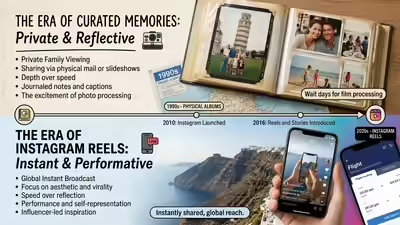

Not many years ago, travelling used to feel more personal and slower. It was something families planned around summer vacations, long weekends or winter holidays. Trips would begin with researching through newspaper travel sections, guidebooks, travel magazines, or recommendations from relatives and friends who had already visited the place. People travelled to take a break from work, from routine, from city life and to spend some quality family time. Photographs existed, but they mostly stayed inside family albums.Today, things have changed and travelling has become more of a social media show off. A destination is no longer discovered through word-of-mouth but through reels, Pinterest boards and viral vlogs. A cafe in the mountains goes viral overnight. A hidden beach suddenly appears on everyone’s feed. A temple becomes famous not because of its history, but because someone filmed a cinematic transition video there.

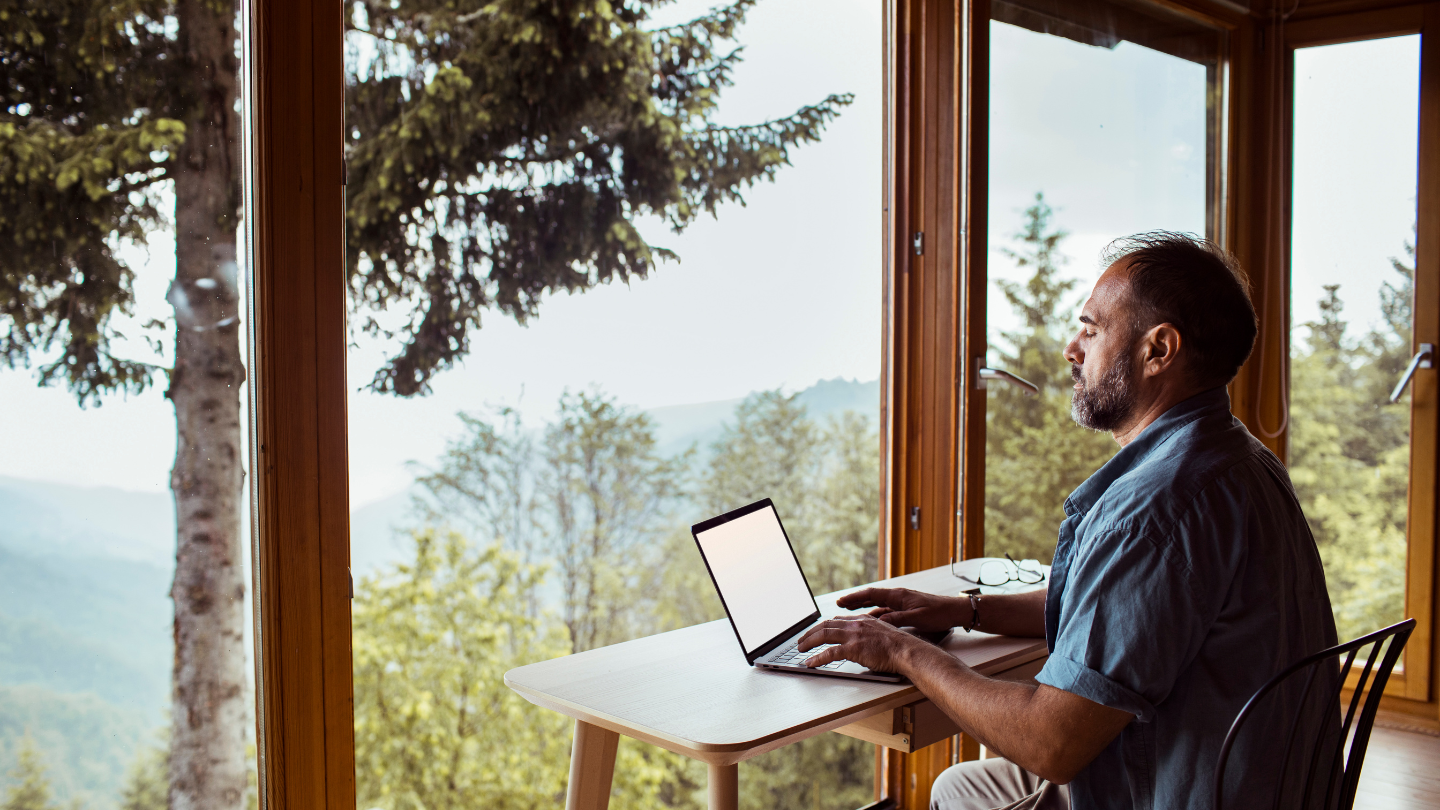
Image Credit: Canva
What data shows
According to a 2025 Google-Kantar report, ‘Travel Rewired: Decoding the Indian Traveler’, 68% of Indian travellers use YouTube for their travel inspiration, which shows how social media and other digital platforms have influenced the travel industry.Travel has become more visual, more accessible, and more aspirational than ever before. But somewhere between “save this for later” and “must visit before everyone else does,” the way we experience places has also changed dramatically.Let’s have a look at how narration around travel has flipped in recent years (after social media):
1. The chase for “underrated” and aesthetic destinations
Social media has completely changed how destinations become famous. Earlier, tourists mostly stuck to popular places like Manali, Shimla or Goa. Now, everyone is searching for the “hidden gems.”One viral reel is enough to transform a quiet village into the internet’s next obsession. Places like Tirthan Valley, Ziro Valley or even small cafes in Landour suddenly become flooded with tourists after creators label them “untouched” or “Europe-like.” The irony is that the internet’s obsession with underrated places often ends up ruining the very thing that made them special: silence, slow life and anonymity.Now, people travel with screenshots from Pinterest boards and saved Instagram folders. Destinations are increasingly judged by how “photogenic” they look online. Aesthetic cafes, mirror lakes, yellow doors, floating breakfasts everything becomes part of a visual checklist.
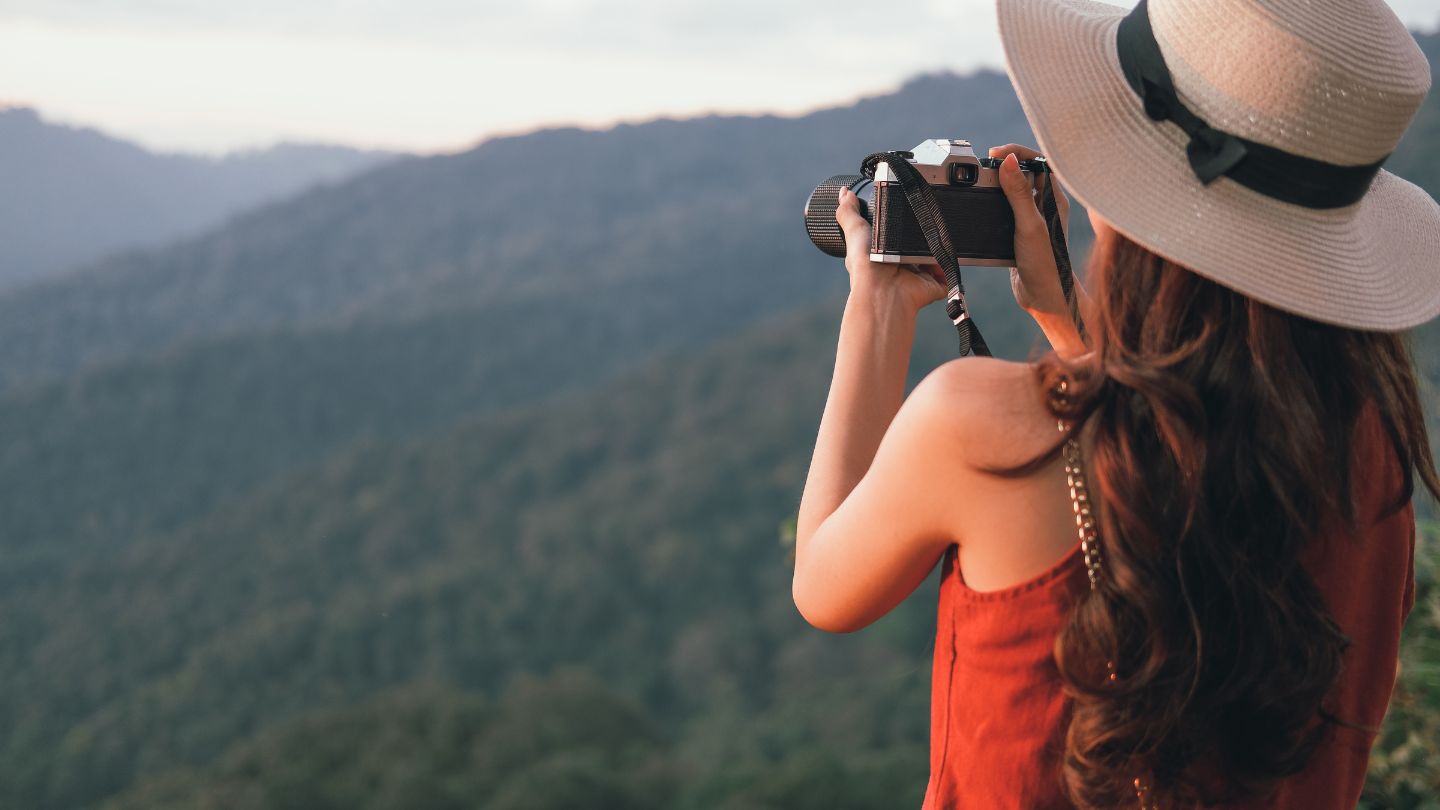
Image Credit: Canva
2. Travelling for content, not always for the experience
One of the biggest changes social media has brought is performative travelling. People are no longer just travelling to experience a place. Many are travelling to document themselves experiencing it.You see travellers repeating the exact same poses at the same locations because they saw it in a reel. Entire trips are now planned around content opportunities, sunrise shots, drone videos, and trending audio.Even spiritual and religious places have not escaped this transformation. At places like Kedarnath Temple, Prem Mandir or Kashi Vishwanath Temple, it is common to see people filming transitions, outfit reels and cinematic vlogs in spaces that were once approached with quiet reverence. And that’s the reason why today some of these places have a “no phone/camera allowed” policy.In many ways, travel has become scripted. Instead of sitting quietly at a ghat or beach, many are thinking about angles, captions and how to go “viral”. The trip sometimes becomes less about memory and more about proof that the memory happened.
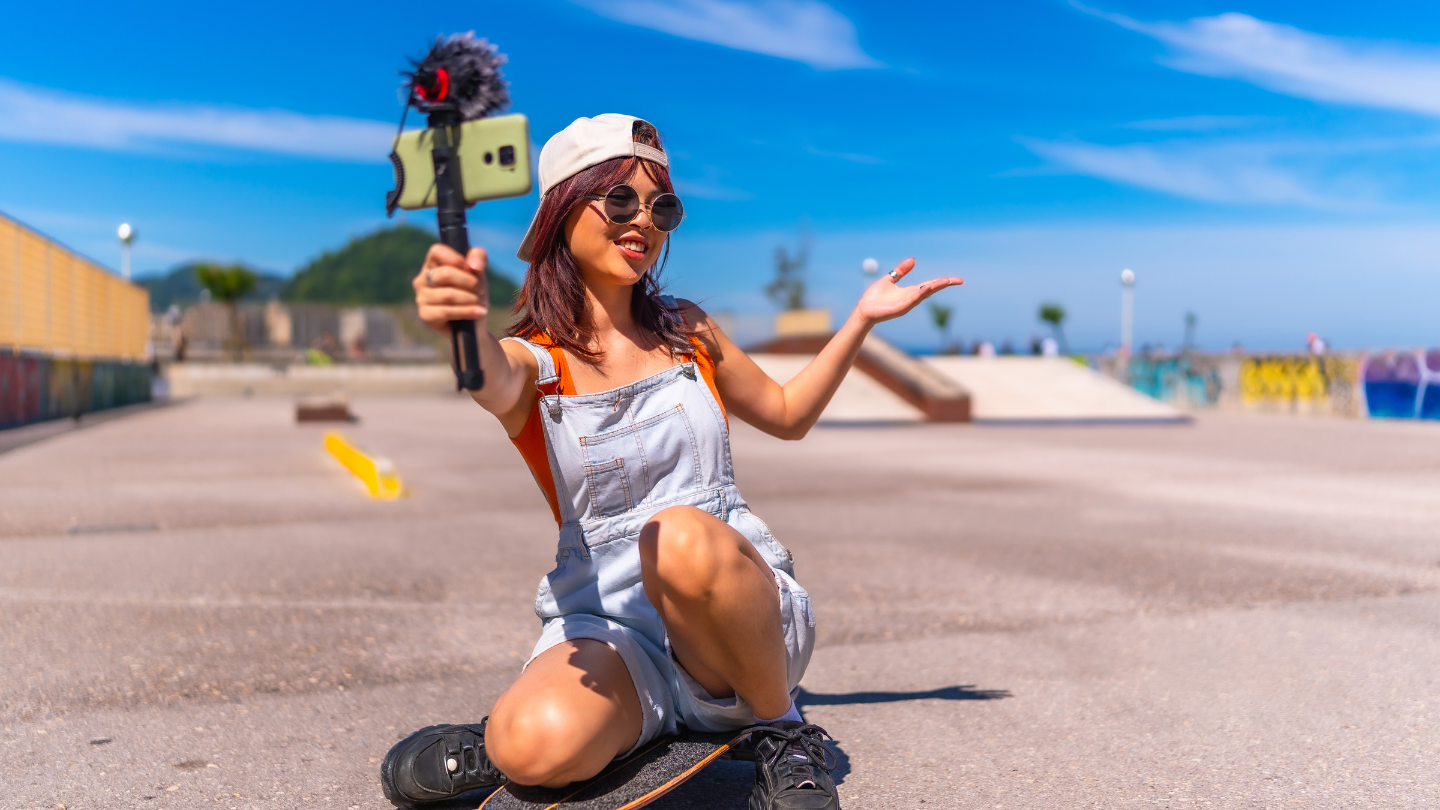
Image Credit: Canva
3. Travel is now a status symbol created by ‘FOMO’
There was a time when travelling was considered occasional leisure. Today, especially online, it almost feels like a lifestyle requirement. Social media has romanticised constant movement. Suddenly, everyone is “quitting their job to travel,” or “working from beaches or mountains”.Travel has become deeply tied to identity and status. The more places you visit, the more interesting your life appears online. This has also created intense travel FOMO. People see their friends’ constant posts on beach vacations, luxury stays that can make them feel like they are missing out on life. A recent survey in the US even described this feeling as “travel dysmorphia,” where people feel pressured by social media to travel more because everyone else seems to be doing it.
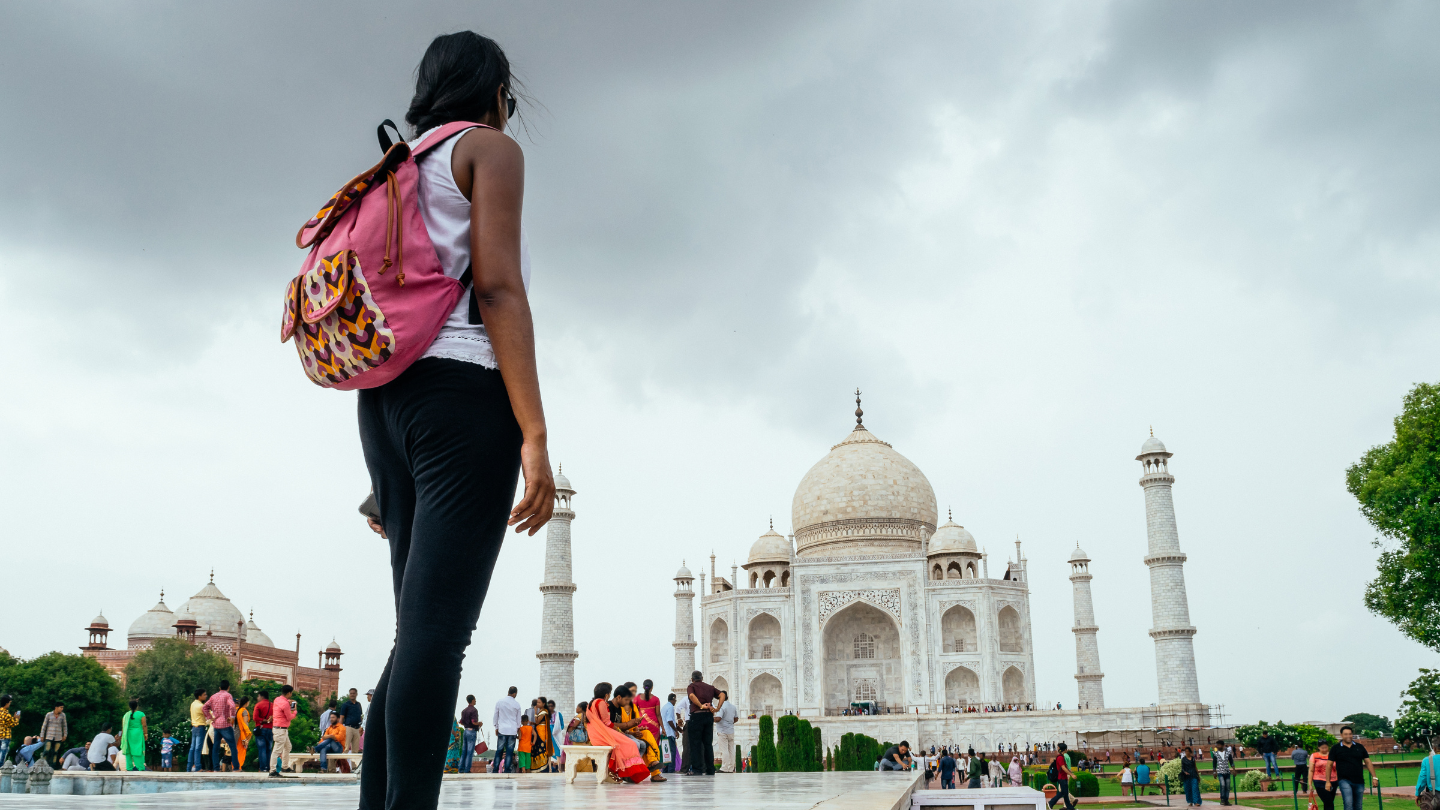
Image Credit: Canva
The dark-side of latest trends no one talks about
Amid all the trending stories and viral reels, the essence of the so-called “lesser-know gems” are lost. The places that used to attract offbeat travellers for their silence are buzzing with constant tourist buzz and more.
1) Over-tourism at viral locations
One of the biggest downsides of social media-influenced travel is over tourism. Places that were once peaceful are now struggling under sudden tourist pressure. In India, destinations like Kasol, Landsdowne, or Chandra Taal have seen massive tourist growth after becoming viral.Globally, cities like Barcelona, Japan’s Mount Fuji and islands like Bali have repeatedly dealt with protests and complaints linked to overtourism, rising waste and pressure on local infrastructure.In India too, news reports during long weekends regularly show traffic jams stretching for hours in Himachal and Uttarakhand because everyone wants to visit the same “viral” places at the same time.
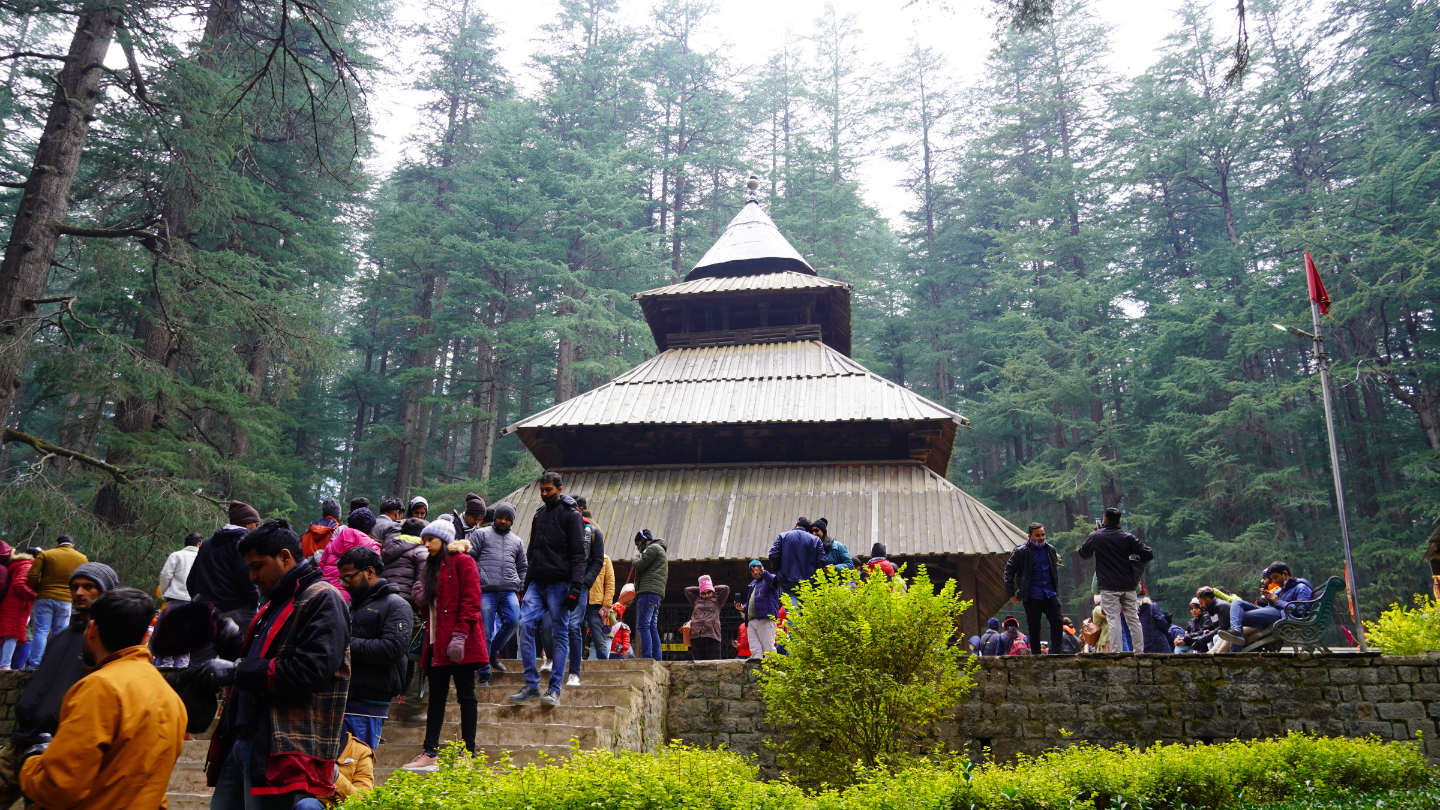
Image Credit: Canva
A complicated reality
And yet, social media has also helped local tourism economies grow. Small homestays, local cafes and unknown destinations have found visibility they would never have received earlier. A tiny cafe in the mountains can now attract visitors from across the country through one viral reel. This is the complicated reality of internet tourism: it creates opportunity and chaos at the same time.
Locals voice
People from tourist places say that they are experiencing extreme crowds, lanes filled with tourists walking, and they face problems in their day-to-day activities during peak season. Uddish, a resident of Manali, Himachal Pradesh, says, “During peak season that is between April-May due to summer vacations and in December for snowfall, we see huge footfall that leads to overcrowding. We get stuck in traffic for hours that hampers our daily commute and work.”Similarly, Shreyanshi, a resident of Varanasi, shares, “In our place, all year round we have tourists coming in. Rickshaw walas do not take us, and demand extra money from tourists and they prefer them to take so they can earn more, which is why we face problems in commuting, also people litter around our streets which is making our life difficult.”The environmental impact is visible too, litter in mountain towns, polluted lakes, damaged trekking trails, rising hotel construction, and local infrastructure struggling under tourist pressure.
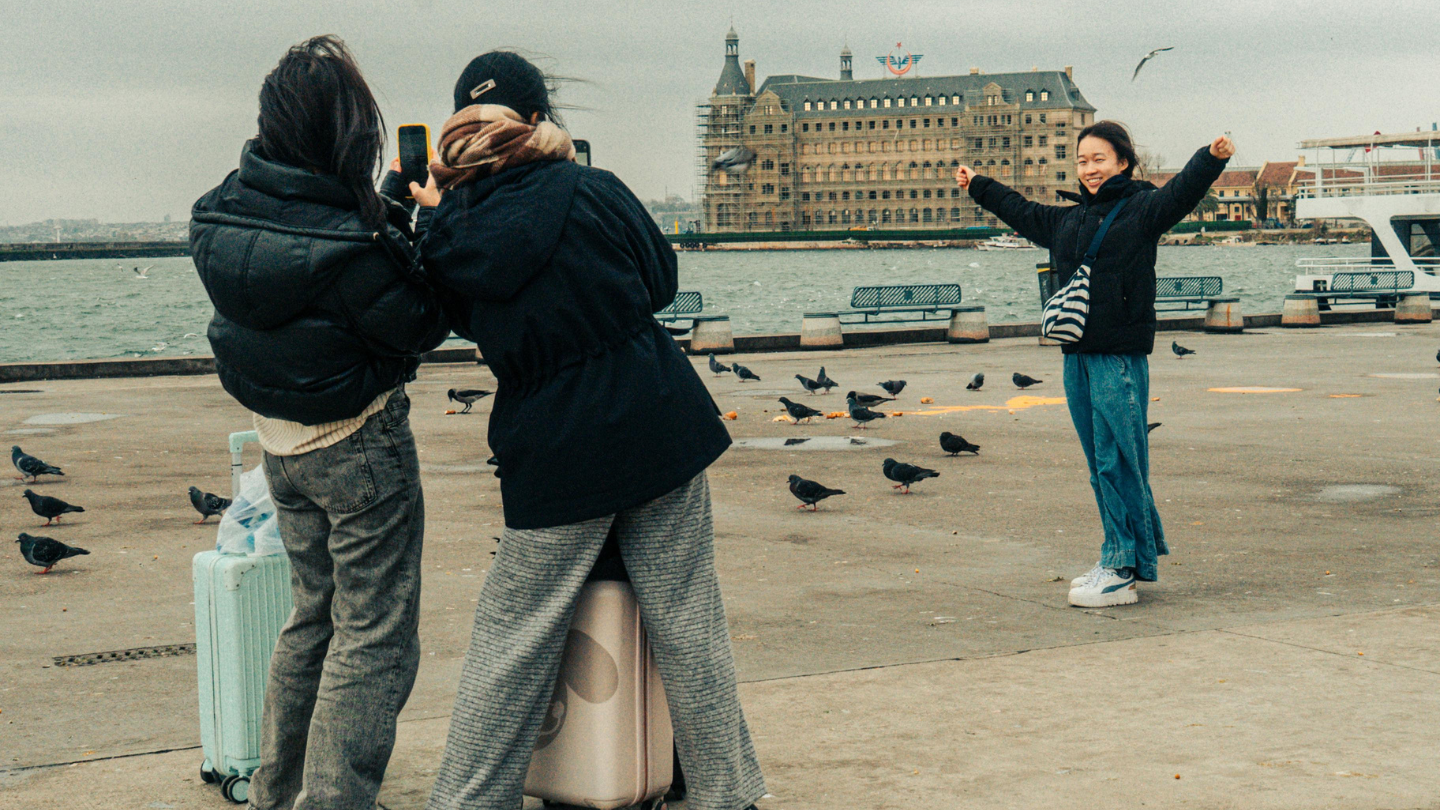
Image Credit: Canva
The positive way out
But not everything that has happened is bad as social media has also made travelling easier than ever. Despite everything, social media brings positives as well, it has made travelling a lot easier than ever. Earlier, planning a trip often required planning and researching.Today, you can open Instagram, TikTok or YouTube and instantly find detailed itineraries, budget breakdowns, hotel reviews, cafe suggestions and transport tips from real travellers.People now know what scams to avoid, where to stay, what to eat and how much things actually cost before they even arrive. Travel has become less intimidating, especially for solo travellers and first-time explorers. Social media has also encouraged more people to step out and see the world. For many young Indians, travel no longer feels like a luxury reserved for a select few. It feels possible.The challenge now is learning how to travel without turning every destination into content first and experience second.