








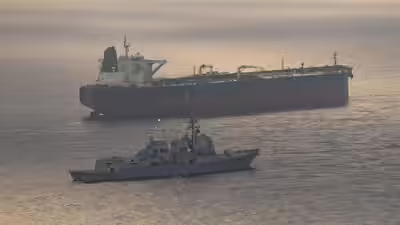
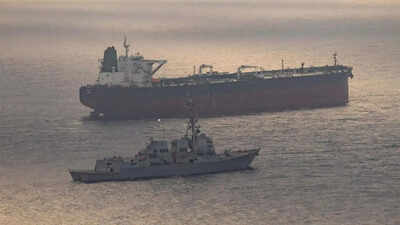
Despite escalating US sanctions and a maritime blockade, Iran continues to earn billions of dollars in oil revenue by using a clandestine network of aging tankers to ship crude to China, according to a report by The Wall Street Journal.In waters 45 miles off Malaysia’s coast, sanctioned tankers conduct covert ship-to-ship transfers, offloading Iranian crude to other vessels bound for Chinese ports. Crews obscure ship names and identification numbers with tarps or paint and often disable tracking systems to conceal the oil’s origin, the Journal reported after observing one such transfer in early May.
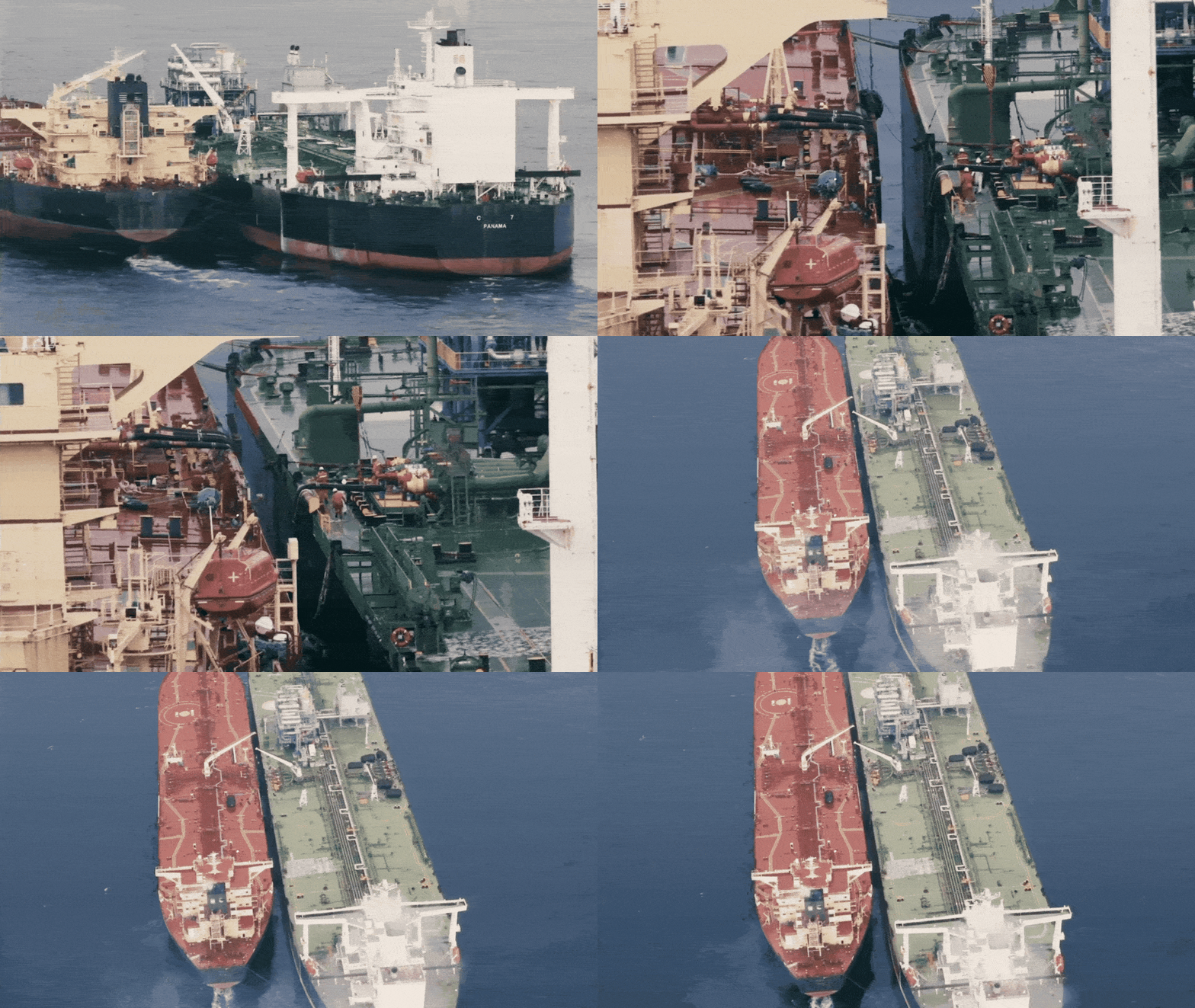
Source: WSJ
These operations are central to Iran’s ability to withstand US pressure. Despite Washington’s refusal to lift oil sanctions in ongoing negotiations, Tehran earned about $31 billion in oil revenue from China last year, according to the US-China Economic and Security Review Commission, a congressional body. The commission said China accounted for roughly 90% of Iran’s oil exports and about 45% of the Iranian government’s budget.The trade relies on what maritime experts call a “shadow fleet” — hundreds of old, often uninsured tankers with hidden ownership structures and flags of convenience from countries with limited oversight. Nearly all of Iran’s oil exports are carried by such vessels, the Journal reported.China plays a critical role in sustaining the network. Many tanker-owning entities are registered in Chinese cities, crews are often Chinese, and much of the oil ultimately reaches independent “teapot” refineries in eastern China. Beijing has publicly opposed US sanctions and recently ordered domestic firms not to comply with US measures against five Chinese refineries, invoking a 2021 “blocking rule,” the Journal reported.Before the US war with Iran began, China imported about 1.4 million barrels of Iranian oil per day — roughly 12% of its total oil imports — typically at discounted prices.The US has stepped up enforcement in recent months, blockading Iranian ports, sanctioning tankers and Chinese oil infrastructure, and seizing several Iran-linked vessels in the Indian Ocean. However, maritime analysts cited by the Journal said fully stopping the trade would require an indefinite military posture and sustained pressure on China.Energy analytics firm Vortexa estimated that about 90 million barrels of Iranian oil remain outside the blockade, much of it already en route or stored offshore, potentially providing Tehran with billions of dollars in future revenue. Because oil shipments and payments take several months to complete, Iran is expected to continue receiving funds into the autumn, analysts said.China officially reports no Iranian oil imports since 2022, a discrepancy analysts attribute to efforts to avoid further US sanctions. Researchers track the trade through satellite imagery, intermittent ship transponder signals and customs data, which show China importing unusually large volumes of oil from Malaysia and Indonesia — amounts exceeding those countries’ production capacity.The hub of the trade is the Eastern Outer Port Limits, a legal gray zone within Malaysia’s exclusive economic zone but outside its territorial waters. Ship-to-ship transfers in the area more than doubled between 2023 and 2025, according to United Against Nuclear Iran, a US-based advocacy group cited by the Journal.Malaysia’s coast guard has acknowledged the presence of the shadow fleet but said enforcement is difficult due to jurisdictional limits, evasive tactics and resource constraints. Authorities have detained vessels for unauthorized anchoring but maintain a neutral stance on unilateral sanctions, officials said.US officials say sanctions are depriving Iran of funds for weapons and terrorism. China’s Foreign Ministry has called the US measures “illegal and unreasonable” and said it will protect its energy security.As one maritime analyst told WJS, repeated interceptions show that “sanctions alone don’t stop the ships.”