
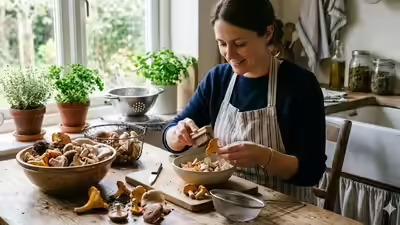

Mushrooms rarely arrive perfectly clean. Even packaged varieties often carry traces of compost, loose soil or fine grit tucked beneath the cap. Some look spotless at first glance, then leave muddy streaks across the chopping board once sliced. Because mushrooms absorb moisture quickly, cleaning them is less straightforward than washing ordinary vegetables. Too much water changes their texture and can affect how they cook in the pan later.Professional kitchens tend to handle mushrooms quite gently. The aim is usually to remove dirt without turning the surface damp or waterlogged. That balance matters more than people realise. Mushrooms release moisture naturally during cooking, so adding extra water beforehand often leads to a softer texture and less browning. The cleaning method depends partly on how dirty they are, but most varieties benefit from minimal handling and quick preparation just before cooking.
How to remove dirt from mushrooms: 6 easy cleaning tips
1. Start by checking the surface carefullyNot every mushroom needs the same amount of cleaning. Some only require a quick wipe, while others may have visible patches of soil near the stem or under the cap. Oyster mushrooms and button mushrooms are usually cleaner than wild varieties sold loose in markets. Before rinsing anything, it helps to separate damaged pieces from fresh ones. Mushrooms that feel slimy, unusually soft or dark around the edges are often past their best. Fresh mushrooms should feel slightly firm with a dry surface rather than sticky.2. Avoid soaking them in bowls of waterLeaving mushrooms submerged in water for several minutes is one of the more common mistakes in home kitchens. Their sponge-like structure absorbs moisture surprisingly fast. That extra water does not always drain away completely, especially in larger mushrooms. When cooked afterwards, soaked mushrooms tend to steam rather than brown. The texture can become rubbery or limp instead of golden and slightly crisp around the edges. A brief rinse under running water causes far less damage than prolonged soaking.3. Use a damp cloth for lightly dirty mushroomsFor mushrooms that only carry a thin layer of dust or compost, wiping works better than washing. A damp kitchen towel, a clean cloth or a paper towel is usually enough to remove surface dirt. Some cooks use a soft pastry brush or mushroom brush to clean around the stem and underside without damaging delicate flesh. This approach takes slightly longer but keeps the mushrooms dry, which helps during frying or roasting later.4. Rinse quickly if the dirt is stubbornCertain mushrooms arrive with heavier soil attached, particularly if bought loose from open vegetable markets. In those cases, a quick rinse is sometimes unavoidable. Cold running water works best. The mushrooms should be rinsed briefly and dried immediately afterwards using a towel or kitchen paper. Letting them sit wet in a colander often leaves moisture trapped underneath. Drying matters almost as much as cleaning itself. Excess moisture in the pan lowers the temperature and prevents proper browning.5. Trim the stem ends before cookingThe lower end of the stem is usually the dirtiest part because it was cut during harvesting. Dry, woody or darkened edges can simply be sliced away with a knife. Larger mushrooms occasionally develop tough stems that cook unevenly compared with the cap. In those cases, separating the stem and chopping it more finely often works better than discarding it entirely.6. Clean mushrooms just before using themWashing mushrooms too early shortens their shelf life. Moisture trapped during storage encourages sliminess and faster spoilage, even inside the refrigerator. Many cooks leave mushrooms untouched until they are ready to prepare the meal itself. Stored dry in paper packaging or a loosely covered container, they generally last longer and keep their texture more effectively. Plastic bags can sometimes trap condensation, especially during warmer weather. That damp environment softens mushrooms quite quickly.