
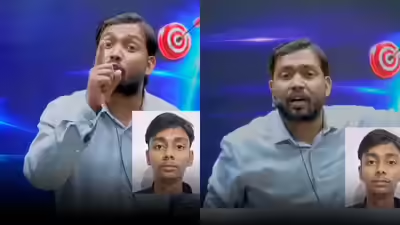
It was not meant to be a day for tears on television. Yet that is what the NEET-UG 2026 controversy has become: a story about anger, helplessness, and the quiet collapse of trust between students and the institutions that are supposed to protect their future. The National Testing Agency cancelled the exam after allegations of a paper leak and irregularities, and the decision immediately plunged lakhs of aspirants into uncertainty. The Centre later handed the matter to the CBI, while protests and public outrage spread across the country.Khan Sir’s emotional reaction has resonated deeply with students and parents across the country. In his remarks to ANI, he argued that the agency had failed in its administrative responsibility and said the exam meant “entire life” to students, not just one paper. He also questioned the investigation’s pace and effectiveness, demanded stricter accountability, and suggested that repeated leak allegations point to a deeper systemic failure. Whether one agrees with his language or not, the emotion behind it is hard to miss: this is what happens when a high-stakes system keeps asking young people to sacrifice everything, then does not keep its side of the bargain.The human cost is already visible. Reports from Uttar Pradesh described the death of 20-year-old MBBS aspirant Hritik Mishra, whose family said he was deeply distressed after the cancellation and rescheduling of NEET-UG 2026. Police said the matter appeared personal and no exam angle had been established at the time of reporting, but the family’s grief, and the wider public reaction, tell their own story. For students who have spent years preparing, often with borrowed money and relentless pressure, an exam is never “just an exam.” It can feel like the entire architecture of their future. That is why this moment demands more than outrage. It demands steadier adults. Parents, in particular, are often the first line of emotional defence when a child’s dream is shaken by a crisis they did not cause. The first job is not correction. It is containment. When a child is in shock, panic or despair, long lectures about toughness, discipline or “what will people say” only deepen the wound. The National Institute of Mental Health advises a simple but powerful sequence for helping someone in crisis: ask, be there, help keep them safe, help them connect, and follow up. In plain language, that means listening without interrogation, staying physically and emotionally present, and not rushing to solve the problem before the child has even had the chance to exhale.
First, make the home a place where fear can be spoken aloud


A child who has failed, panicked, or had an exam disrupted by a system failure needs to hear that their pain is real. Parents should avoid minimising the blow with lines like “it is only an exam” or “others have it worse.” Those words may sound practical, but they often land as rejection. The better response is to say, in effect: I can see this hurts; I am here; we will deal with the next step together. That kind of presence matters because crisis is rarely only about marks. It is about shame, loss of control, and the fear that one mistake has permanently closed the door. The CDC notes that families and communities can help prevent suicide by learning warning signs and strengthening protective factors, which begins with taking distress seriously rather than dismissing it.
Second, move from emotion to safety, not straight to performance
When distress is intense, the child’s nervous system needs calming before their future plans need planning. Parents should reduce noise, reduce arguments, and reduce the pressure to immediately decide what comes next. That may mean sitting with the child, getting them water, making sure they are not alone if they are in a fragile state, and gently asking direct questions about how they are coping. NIMH’s guidance is clear that support is not passive sympathy; it includes helping keep the person safe and helping them connect to support. In India, the Ministry of Health’s Tele-MANAS helpline offers 24/7 free mental health support through 14416, which can be a practical first step when the family is unsure where to turn.
Third, protect dignity while rebuilding direction

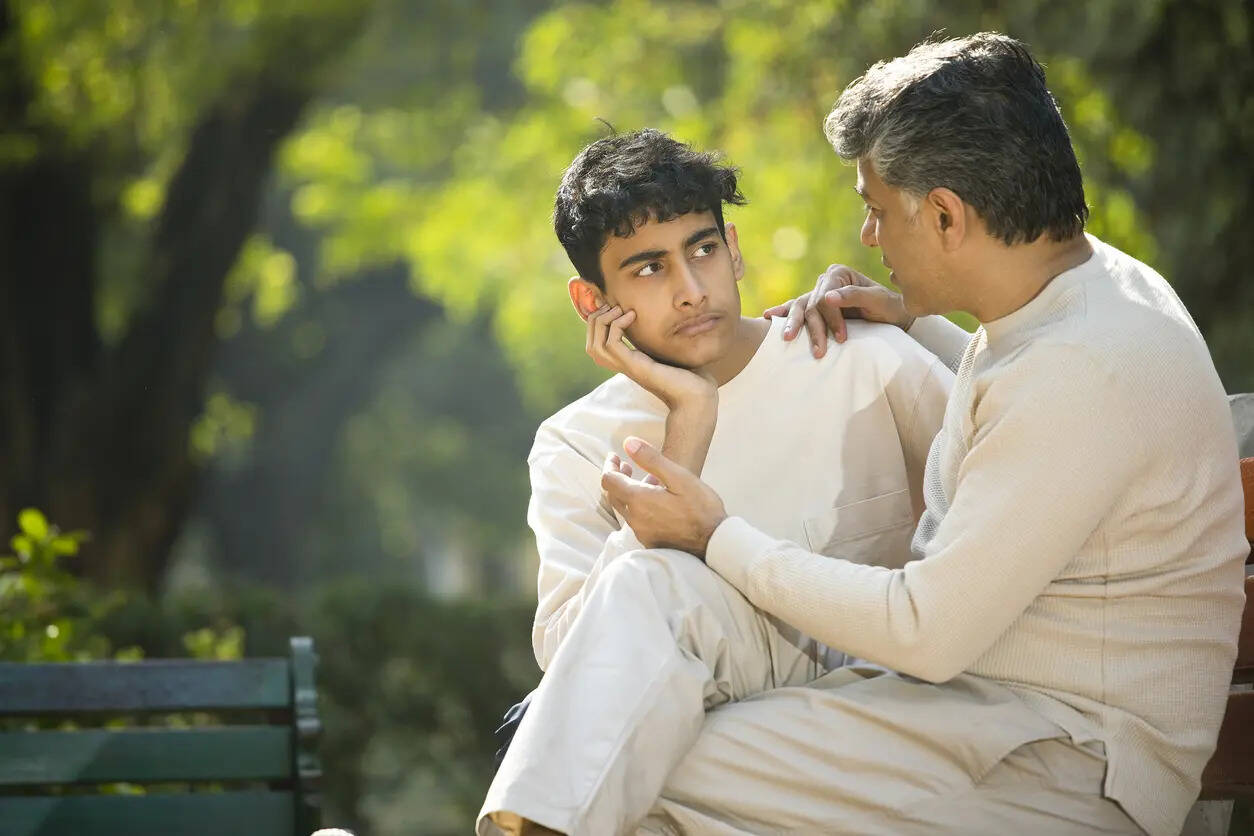
Children in academic crisis do not only need reassurance; they need a plan that does not make them feel discarded. Parents can help by separating a child’s worth from one result, one exam date, or one bureaucratic failure. That means discussing alternatives without humiliation, reframing delays without blame, and avoiding comparisons with relatives’ children, neighbours or classmates. A child who feels seen is more likely to recover than a child who feels reduced to a rank. The larger lesson in this NEET episode is that examination systems can be repaired, but the emotional damage done to young people by public humiliation and institutional neglect is harder to undo. Families cannot fix the system alone, but they can make sure the system’s failures do not become the child’s identity.This is why Khan Sir’s tears resonated so widely. They were not only about one aspirant, one cancellation, or one controversy. They were a public expression of what many families already feel in private: that a generation is being asked to carry enormous pressure, often without safety nets, and then blamed when the weight becomes too much. The anger is understandable. The grief is real. But the most urgent response now is not just outrage at the institutions. It is tenderness at home, where a frightened child most needs to hear that one broken exam does not erase a human life or a future.